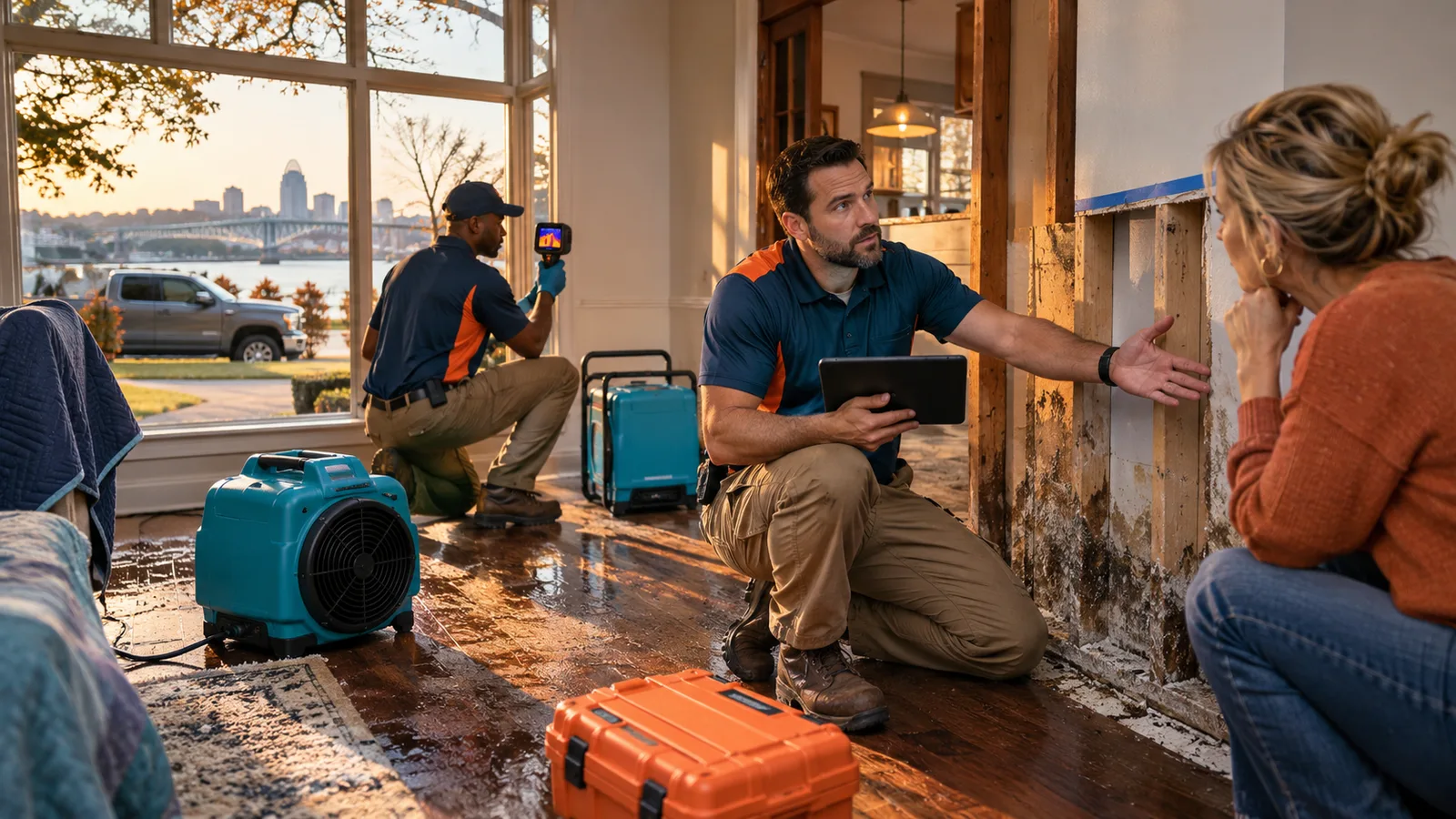
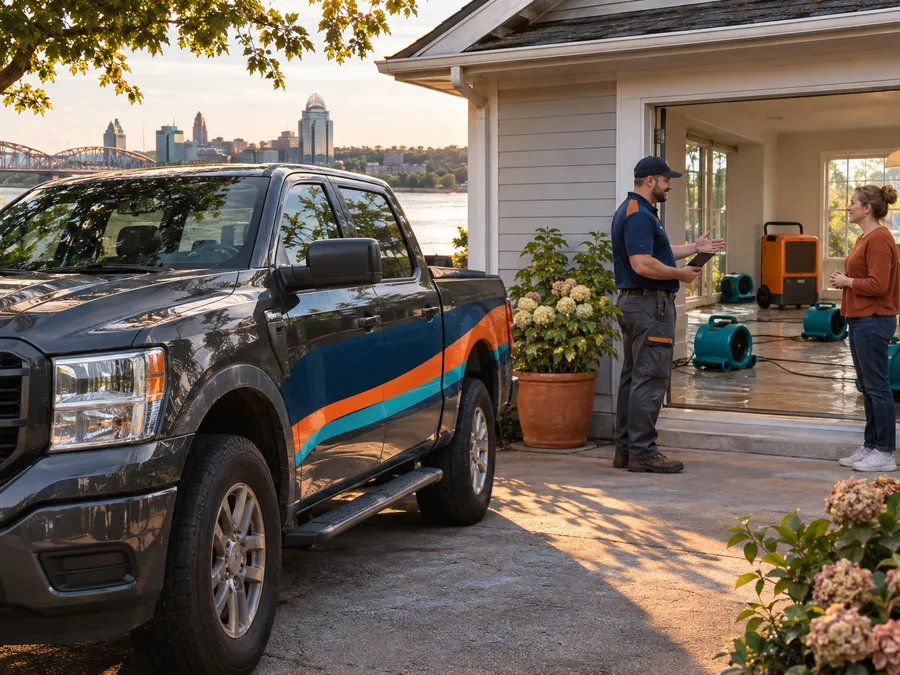
Start by asking each company to describe its inspection process and immediate priorities. A credible contractor should be able to explain what is damaged, what is still being investigated, and why a proposed action is necessary. Be cautious when extensive demolition is recommended without moisture readings, photographs, or a material-by-material explanation.
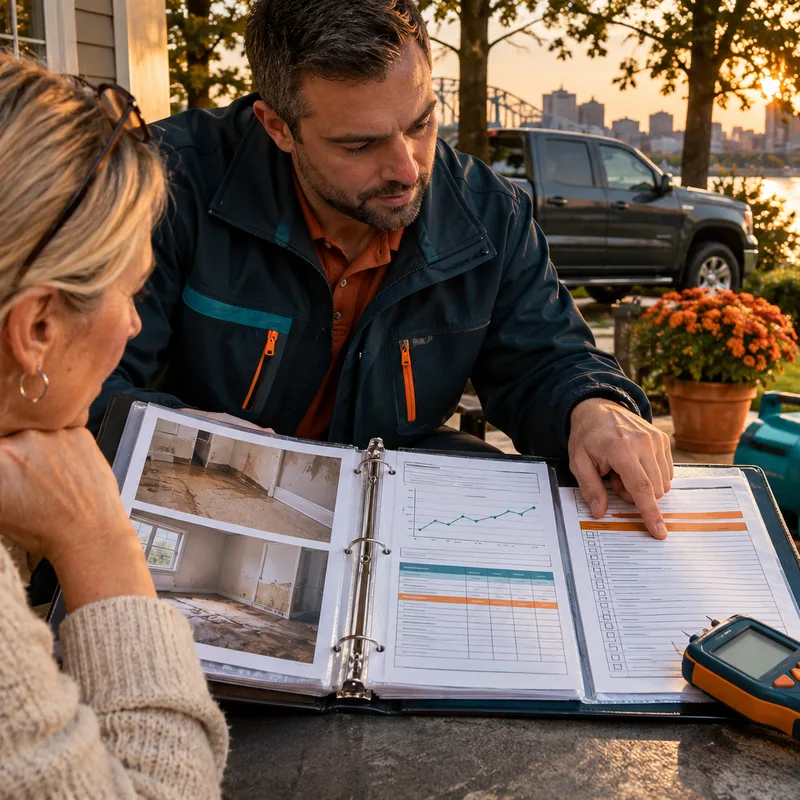
Ask who will supervise the work, how occupied areas will be protected, and how progress will be documented. For water-related work, the scope should address extraction, drying equipment, monitoring visits, and criteria for completion. Fire and smoke work requires residue-specific cleaning tests. Mold-related work may require containment and controlled removal based on the affected area and site conditions.
Also clarify insurance responsibilities. A restoration contractor can provide photographs, measurements, estimates, and invoices, but the insurer determines coverage under the policy. The property owner remains responsible for authorizing work and understanding any deductible, limits, or excluded items. Keep copies of authorizations, equipment logs, disposal records, and change orders.
When comparing restoration companies Cincinnati property owners should look beyond the initial total. Confirm whether the proposal includes emergency stabilization, equipment, monitoring, debris handling, contents work, cleaning, and repair preparation. Two estimates may cover very different scopes.